

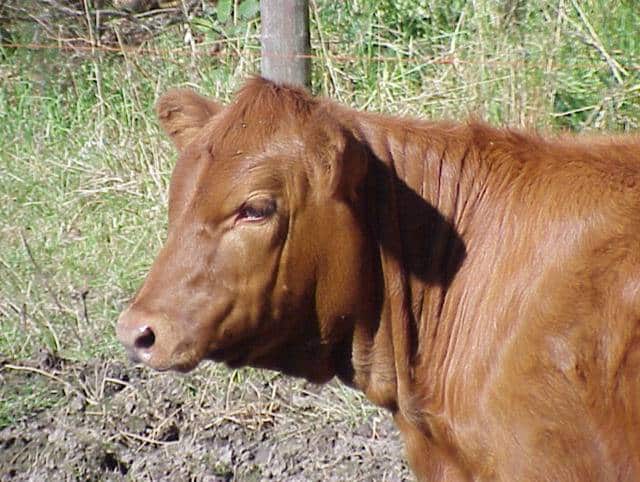
Tomorrow morning we will read from two sifrei torah~Torah scrolls, as we observe the third of four shabbatot leading up to Passover, Shabbat Parah. The title of this Shabbat refers to the cow~parah that is described in Numbers 19 as a red heifer. It is sacrificed and, after it has been completely burnt on the altar, its ashes are gathered by “a man who is pure” (Num 19:5), who leaves them outside the camp in a pure place, where they become the possession of the congregation of the Israelites, to be used “in the water of impurity” for the expiation of sin.
As I try to understand this complicated ritual, looking for a connection to my own practice of Jewish ritual, I struggle to relate to the Torah’s description of this procedure. Not because it is an animal sacrifice that is completely burnt on the altar—the sacrifice itself carried out by the son of the High Priest, Elazar ben Aharon, but because I’m confused by the appearance of “a man who is pure.” Who is this anonymous man and what does it mean that he is pure? What is the “water of impurity” and why do the people in the wilderness need it for the expiation of sin?
Since we are rabbinic Jews, the Talmud is my frame of reference for these questions. In the Talmud’s tractates dealing with the procedures and rules of the sacrificial system in the Temple in Jerusalem, we learn that the priests themselves are assigned to clean the Temple’s altars of ashes each day. The anonymous “man who is pure” does not make an appearance in the ritual sacrifice of the red heifer. Although I can’t be sure, because the rabbis spill a lot of ink to record their debates and discussions of the sacrificial system.
I return to the text of the Torah. A careful reading of tomorrow’s maftir portion reveals a few key details about why “a man who is pure” is needed to carry out a specific task that the kohen cannot accomplish. I hope you’ll join us on Shabbat morning when we’ll study and discuss this Torah portion.
Meanwhile, I’ll leave you with an idea that resonated with me: sometimes, a religious leader who is deeply immersed in the work of performing the rituals—in this case the priest who literally gets his hands dirty from the work—is not the same person who can best complete the work and transfer its product to the people.